iPhone 5S camera's quality

iPhone 5 bright indoor shot iPhone 5S bright indoor shot
Full resolution crops of bright indoor shots - click for original
iPhone 5: 33mm - ISO 64 - 1/20s  ||  iPhone 5S: 30mm - ISO 64 - 1/30s

Apple has constantly improved the iPhone camera's overall quality over the years, and this time is no different. It has touted iPhone 5S's larger sensor (1/3.0", compared to 1/3.2" in iPhone 5) that results in bigger pixels (1.5 microns instead of 1.4) and brighter lens (f/2.2 instead of f/2.4) that lets more light in. These are supposed to gather 33% more light, and low-light performance would be improved as such. One thing not mentioned is the focal length. Both devices are fixed to 4mm, but 35mm equivalent values are different - iPhone 5 is 33mm, while iPhone 5S is 30mm. This means the latter has a slightly wider field of view.

iPhone 5's camera already takes great outdoor shots, so I felt that improvements from these upgrades would be most noticeable in indoor shots. Therefore, I decided to use both iPhone 5 and 5S to take several comparison photos in the house, with iOS version both at 7.0.2. First one shown here is taken in a brightly lit room, and the low ISO value tells you that the sensors should be subject to minimal noise. This should be typical of the photos that were taken with good lighting. You can see that both phones perform similarly, but iPhone 5S does apply slightly more smoothing. This makes the 5S photos in good lighting conditions look a little too clean. Fortunately, the details are mostly there and the file size did get a bit smaller on average as a result. This seems to be more or less the difference in post-processing pattern than the sensor performance itself.
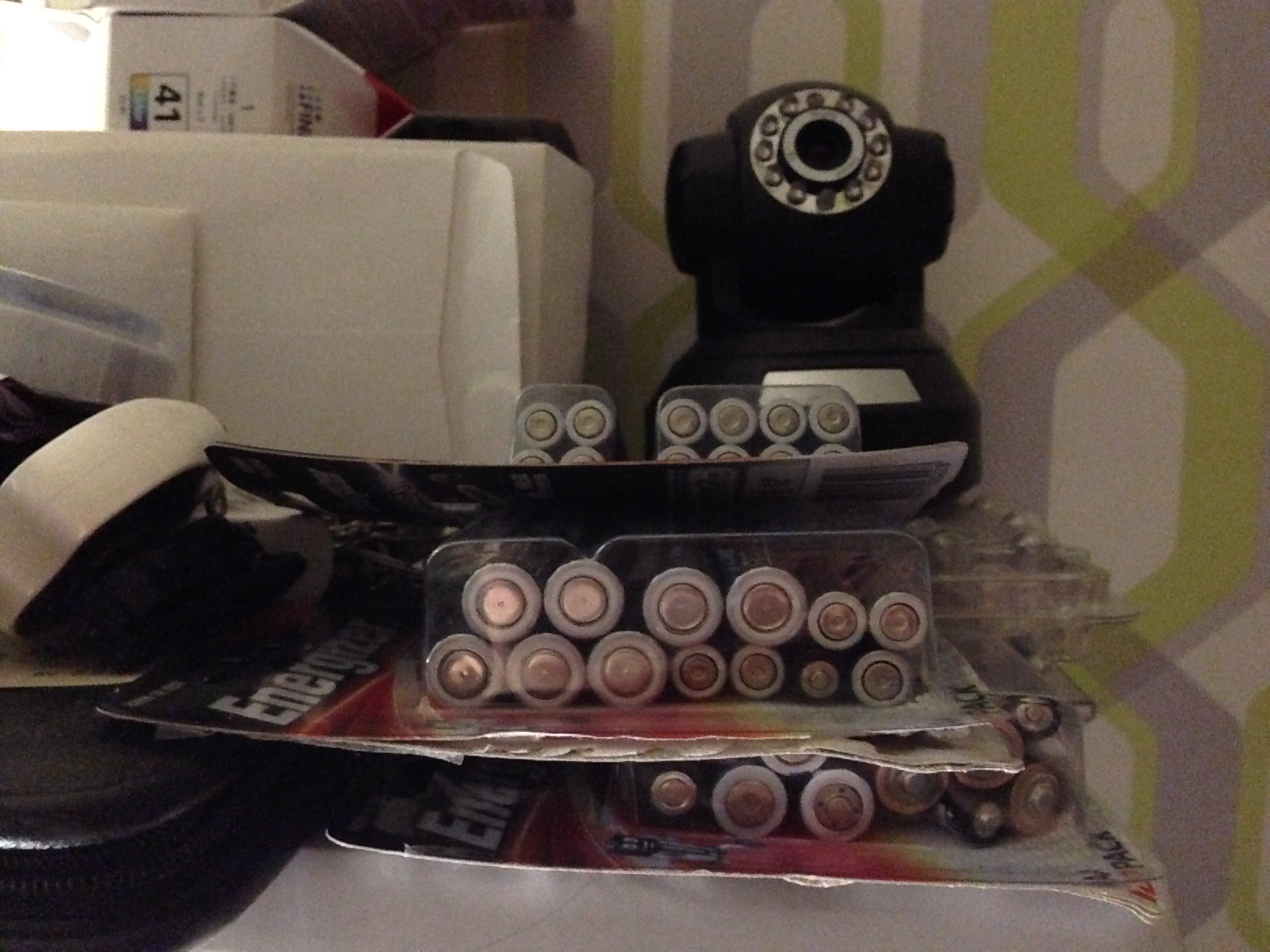
iPhone 5 dark indoor shot iPhone 5S dark indoor shot
Full resolution crops of dark indoor shots - click for original
iPhone 5: 33mm - ISO 2500 - 1/15s  ||  iPhone 5S: 30mm - ISO 2500 - 1/15s

When the lighting is dramatically reduced, the difference in sensor performance becomes evident. The photos here were shot with identical ISO and shutter values, yet iPhone 5S's photo preserves the details of the objects and letters much more than iPhone 5's. You can make out the letters with 5S, while 5 gives you muddled goo. Both had noise reduction kicked in, but it iPhone 5 clearly had less detail to work with in the first place. Apple's efforts are paying off here.

Of course, camera module itself is only half the story. Let's take a look at a photo in even worse lighting and go from there.
Continue reading "iPhone 5S camera's quality"

iPhone 5S camera's speed

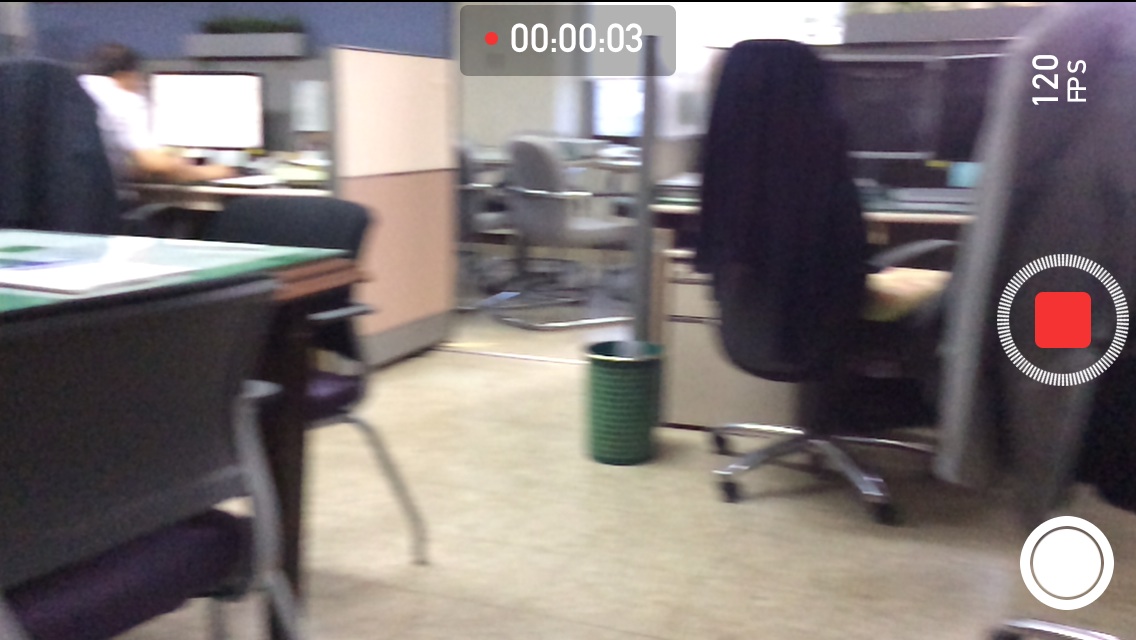
Screen capture of iPhone 5S slo-mo video mode
Recording video at 120fps

One of the key improvements of iPhone 5S over previous generations would be the camera's performance. In this segment I'll look at the speed at which it can operate - namely, how fast the video and still photos are recorded.

1. Video

iPhone 5S introduces the "slo-mo" mode with 120fps capture at 720p (1280x720). What it actually does is that the phone records the video at 120fps fully. Then, when you view the video in the camera roll via the Camera or Photos app, a portion of the video is played in slow motion by reducing the playback speed to 30fps.

Screen capture of iPhone 5S slo-mo video editing
Picking out where you want it slow

This results in playback at 1/4 the speed for the selected "zone". You can adjust where the slow motion starts and ends by moving the sliders just below the frame strip. One drawback is that you can't set two or more zones. You'll need a separate editor or app to achieve this.

Also, there are some interesting consequences when exporting the video clips.
Continue reading "iPhone 5S camera's speed"

Making iPhone 5S work on a Korean network

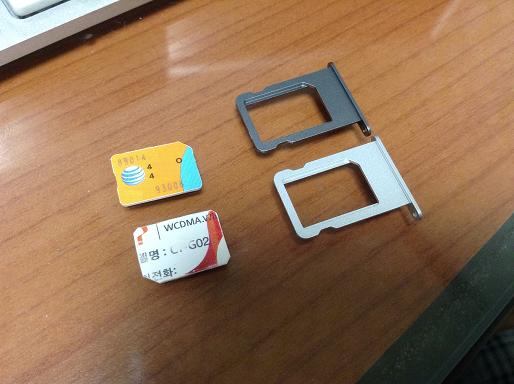
AT&T and SKT NanoSIM with iPhone 5S & 5 SIM trays
Free AT&T SIM found inside iPhone 5S


UPDATE (Sept. 25, 2014): There has been some changes in activating LTE devices from overseas in Korea. [Read the related iPhone 6 Plus review.]

When my friend Andy lined up to get the new iPhone 5S, the Apple Store had specific supplies of the phone for each of the four major U.S. carriers. If three of the carriers supposedly use the same model as seen in Apple's website, it might seem strange that this division existed. It turns out that each of the phones have a SIM card for the designated carrier, as well as some specific device status configured (SIM lock, CDMA enable). As you can see, Andy got me an AT&T version of the iPhone 5S with model number A1533, with the AT&T NanoSIM as a proof.

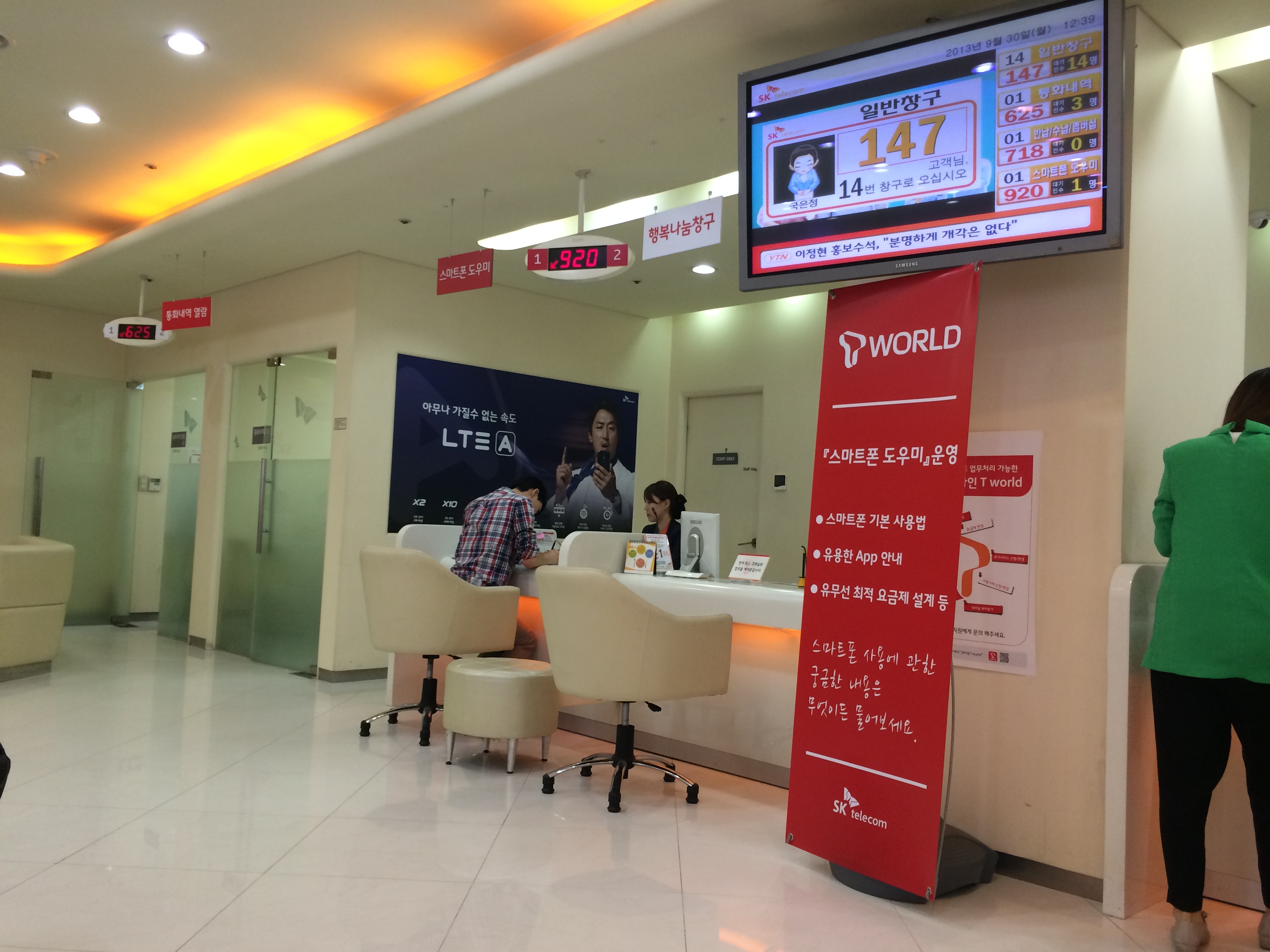
SK Telecom branch in operation
Yes, prepare to visit a carrier's branch
Now, Apple mentions that the model number of the iPhone 5S planned to be released in Korea is A1530, which forgoes the AWS and 700MHz bands used in North America and instead supports TD-LTE bands used in places like China. Interestingly, both models (as a matter of fact, all models) support LTE bands currently active in Korea, so it seemed likely that A1533 iPhone 5S would be able to hop onto LTE networks in Korea. This was the reason I risked buying A1533 outright instead of trying to get A1530 from Hong Kong or wait for official Korean release. It turns out my hunch was correct, but it's not completely plug-and-play. Read on to minimize the chances of bumping into problems.
Continue reading "Making iPhone 5S work on a Korean network"

First look of Korea's near-first iPhone 5S

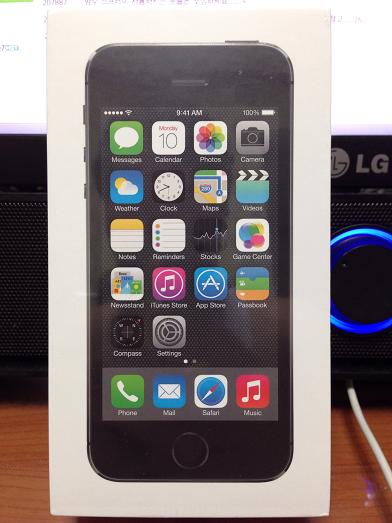
Front side of an iPhone 5S package
One of the first iPhone 5S to wake up in Korea

Hayun Chung looks at iPhone 5S
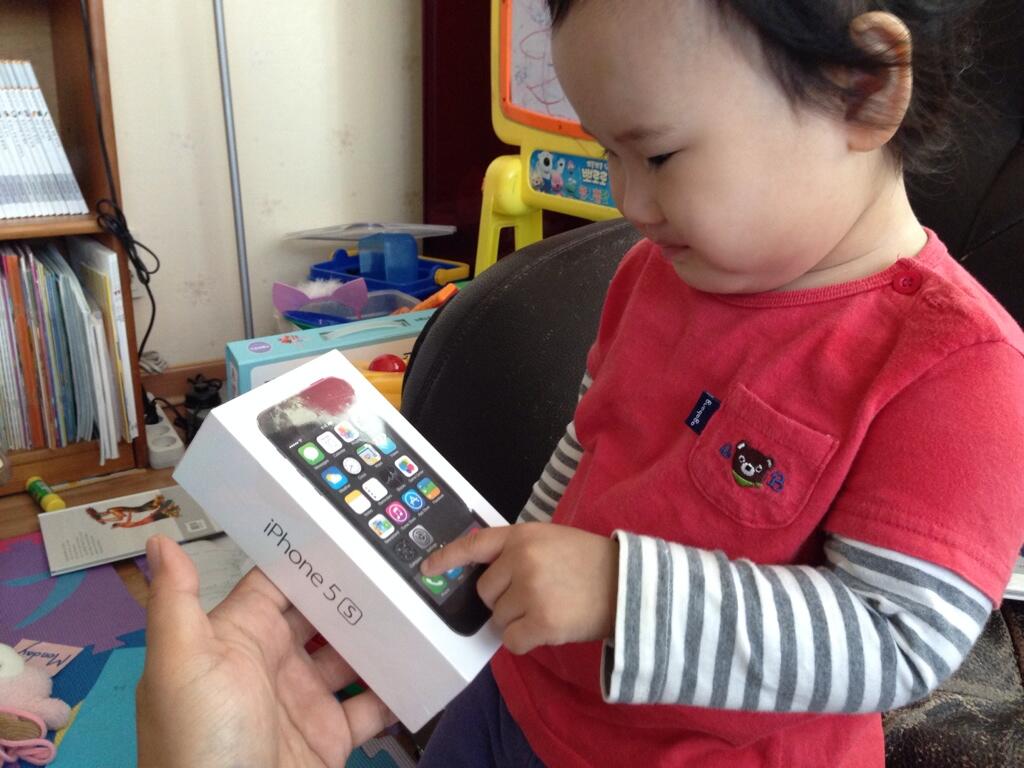
Daddy's new iPhone!
As my Twitter followers are already aware, my iPhone 5S arrived in the mail just before noon last Friday, September 27. My second daughter immediately had an early "hand-on" with the package. Since the device was released just 7 days before to only a handful of countries, this is no doubt one of the first iPhone 5S to land in Korea. No date has been set for Korean release yet - past experiences indicate November-December timeframe - so I'm going to be using this shiny new toy on behalf of other Koreans to see if this is something to wait for.

This particular phone was meant to be used on AT&T network in the United States. But my excellent friend Andy, who lives there, kindly picked it up along with his after lining up at an Apple Store on the morning of the launch day. It then crossed Pacific Ocean again to come into my hands. Naturally, this raises several questions - how well does it work in Korea, how different is it from the previous model, and so on. For this segment, I'll give my first impressions.
Continue reading "First look of Korea's near-first iPhone 5S"

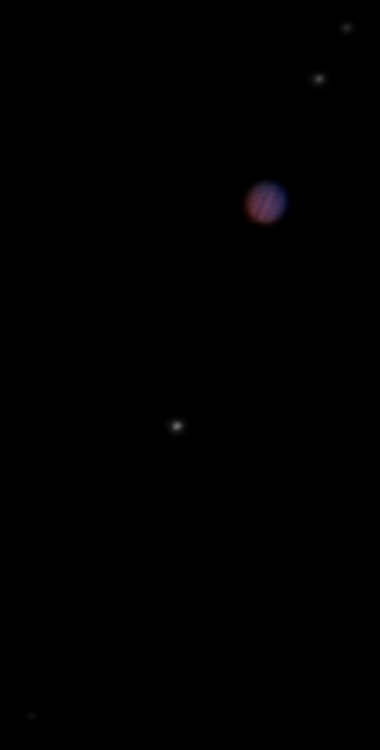
Jupiter with Baader M&S filter on

Jovian system taken with Canon SX50 HS
From top right to bottom left: Europa, Io, Jupiter, Ganymede (bright), Callisto (faint)

Baader Moon & Skyglow filter attached to a Canon SX50 HS
Tiny filter on a big camera
Two weeks ago, I bought a Baader Moon & Skyglow filter that supposedly cuts light pollution and enhances contrast of the planets. This was attached to my Canon SX50 HS camera using a 58mm-28mm step-down ring. You can see how this looks like on the left. The filter is relatively inexpensive as far as telescope filters go, but it's still quite a bit of money, so I got a 1.25" one (fits like 28.5mm) instead of getting a 2" one (fits like 48mm) which cost almost twice as much. The 0.5mm difference between the step-down ring and the filter meant that it would not screw on completely, but it works okay.

At dawn today, I tested out its performance by taking the photos of the Jovian system. While it did noticeably cut the background light pollution, the contrast of Jupiter received a modest boost, as compared to my previous non-filtered shots. One thing to note is that, by CalSky's calculations, the Great Red Spot was supposed to be facing the Earth, so I would be able to see it on the lower right area of Jupiter's surface. But apparently, SX50 HS isn't quite powerful enough to bring that detail out clearly at the current distance. A couple of folks suggest that it might be the darker area at the right edge of the lower band - further sessions are needed to verify this. Jupiter should look bigger every day until when it's about 30% bigger on January next year, so that's my best hope for now.

Jupiter: 1200mm (w/ 2x DTC*) - ISO 80 - 1/80s - 22 photos stacked
Moons: 1200mm (w/ 2x DTC) - ISO 1250 - 1/10s - 117 photos stacked
*DTC = Digital Teleconverter. Stacked using RegiStax 6.1.0.8.

Time: 2013-09-04 04:30 KST
Location: Suwon, Korea
Defined tags for this entry: , , ,

Copyright (C) 1996-2026 Woo-Duk Chung (Wesley Woo-Duk Hwang-Chung). All rights reserved.