Alpha / Zalman Comparison
Posted by Wesley on
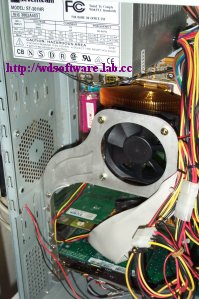
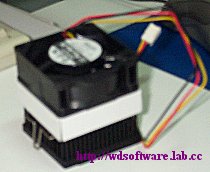
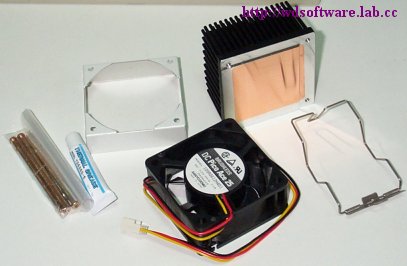
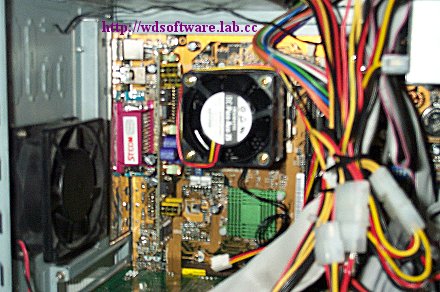
I am back with something for you to read upon! This time, it's a review/comparison of two high-performance heatsinks, Alpha PAL6035 and Zalman CNPS3100-Gold. I've been meaning to put up a review of Alpha PAL6035 a few months ago, but I think the wait has proven for better. Go here and see which one comes out on top.
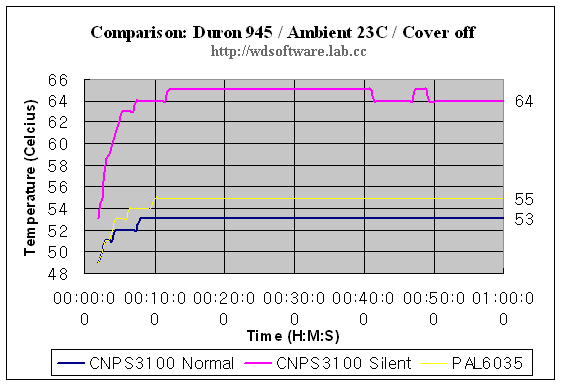
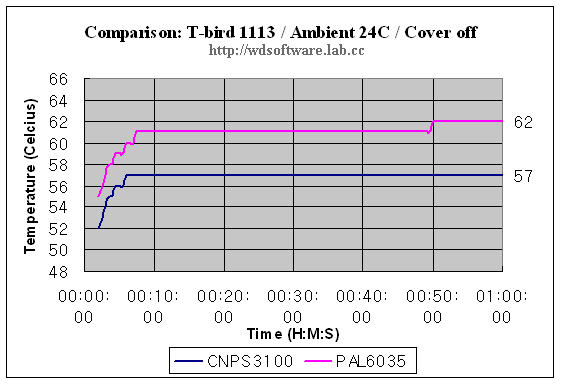
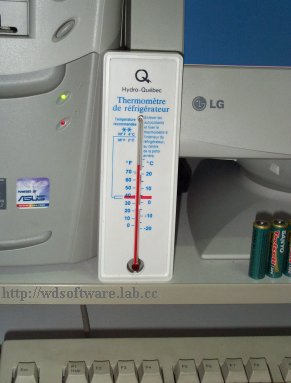 The ambient temperature was closely monitored with thermometers such as this Hydro-Quebec thermometer that's been rolling around since my Canadian days and I've taken care to make sure that the temperature remained constant during testing to prevent measurement errors.
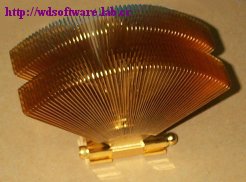
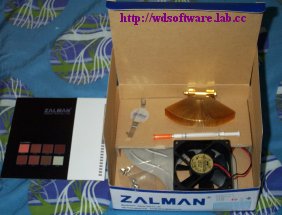
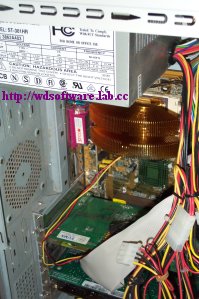
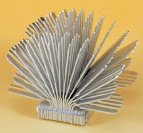 CNPS3100 is the latest in the product lines of the Zalman HSFs, just released in the December of 2000. You can read its news release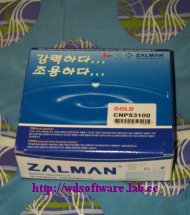

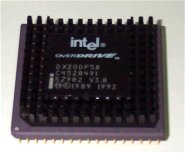 This trend started to change at around the propagation of 486 chips. They were already becoming too hot to touch, and faster versions of 486 started to have heatsink attached on the ceramic package. The Pentium Overdrive processor, shown on the left and plugged into a 486 system, shows such examples of early heatsink coupled CPUs. First Pentium CPUs, the 60MHz and 66MHz versions, were notorious for excessive heat dissipation and was one of the first personal computer CPUs requiring active cooling by motorized fan. Since then, HeatSink-Fan combo(HSF) became standard attachment to CPU.
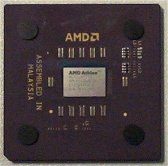 The problem did not end there, though. Personal computer CPU development was accelerating day by day and introduction of ever-so-powerful CPUs were frequent. Processing power-wise, top-of-the-line CPUs today are comparable to top 100 supercomputers of only 4 to 5 years ago. In consequence, CPU's heat dissipation rate gradually increased. Smaller manufacturing process does help CPU produce less heat, but this does not help much in reducing the heat dissipation of the most powerful processor on the market. This is because the operating frequency is increasing at a faster rate. One of the hottest(literally and figuratively) chip of today,