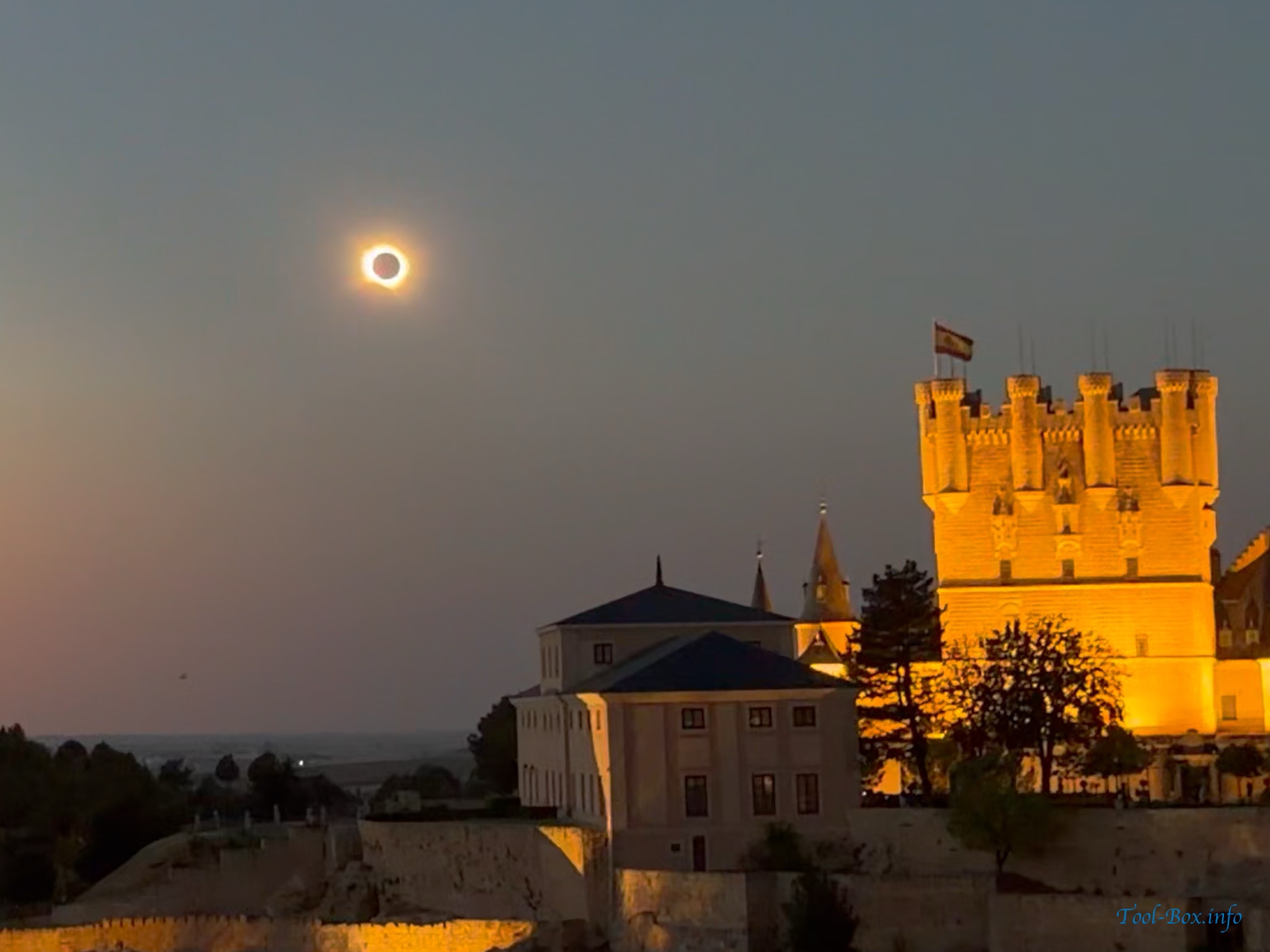
Total solar eclipse witnessed near Alcázar of Segovia on August 12, 2026While I've personally witnessed several solar eclipses before, none of them were total. So when I found out that one such occurrence would take place near a direct flight destination - Madrid, Spain - I seized the opportunity. Because Madrid was just outside the path of totality, I went to Segovia, a city about 70 km to the north, a day after my arrival. I scouted for a good location to observe the eclipse and eventually settled on a spot near Alcázar of Segovia. As you can see above, it was an excellent vantage point.
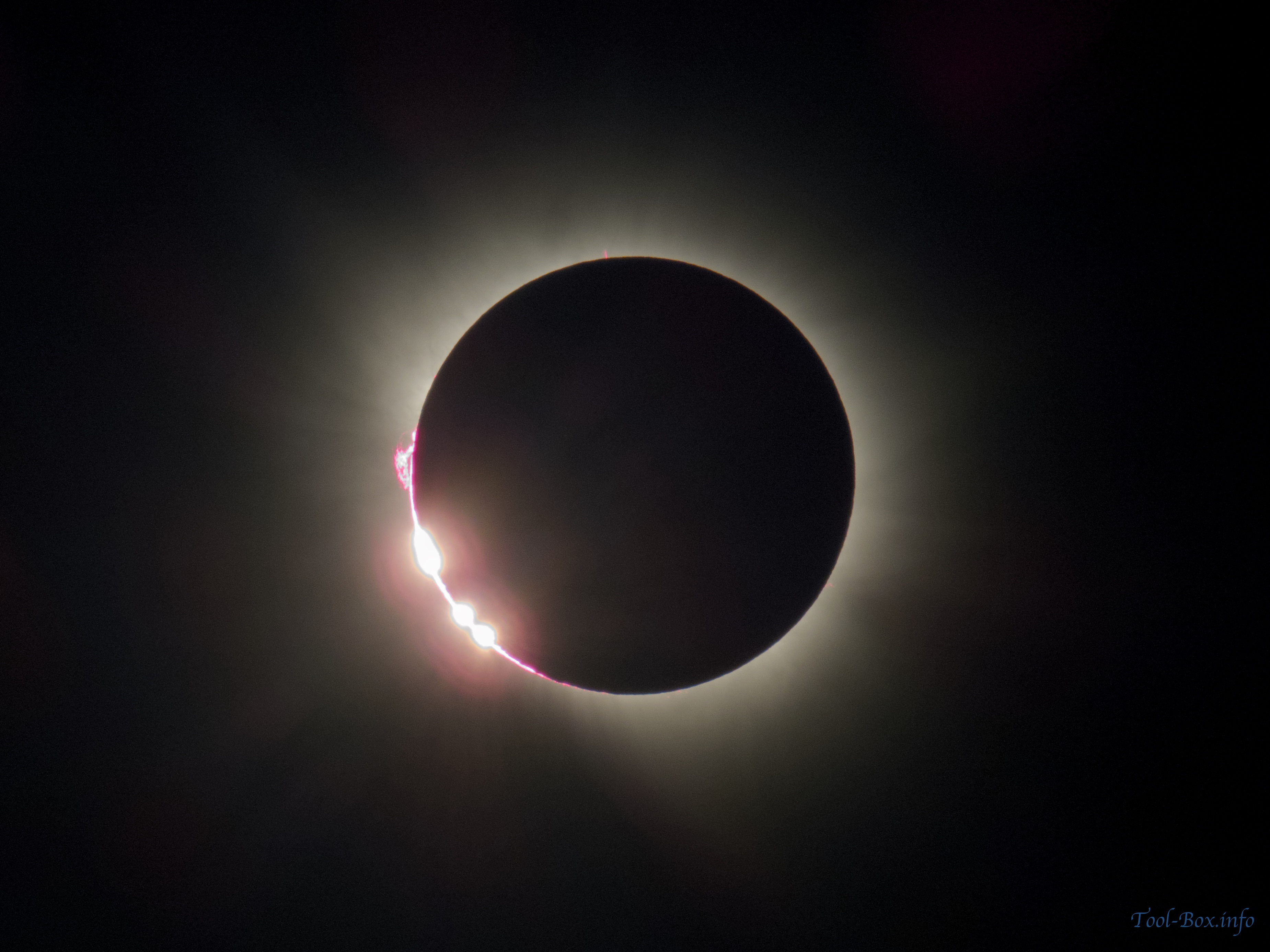
Prominence and Baily's Beads are visible on the left side just before totality (20:31:06)Since Segovia was a bit off from the "optimal" location, the totality would last just short of a minute, compared to nearly 2 minutes in some places. So that left less margin for error and thus I came prepared. Fortunately, my efforts paid off, and ended up shooting 35 photos of the totality, as well as several hundred of the partial eclipse. And I was able to do continuous shoots for the most part, except for a brief break where I had some issues with the tracker I brought. The entire sequence has been uploaded to YouTube.
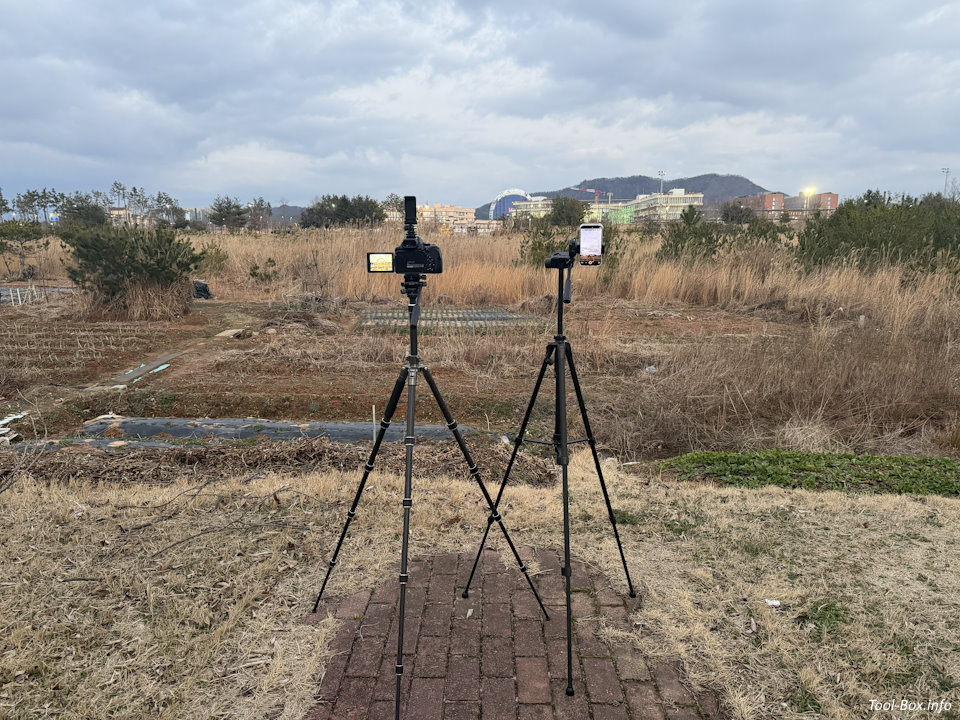
Nikon P1000 and iPhone 16 Pro were set up eastward, with KENTECH as the backdrop
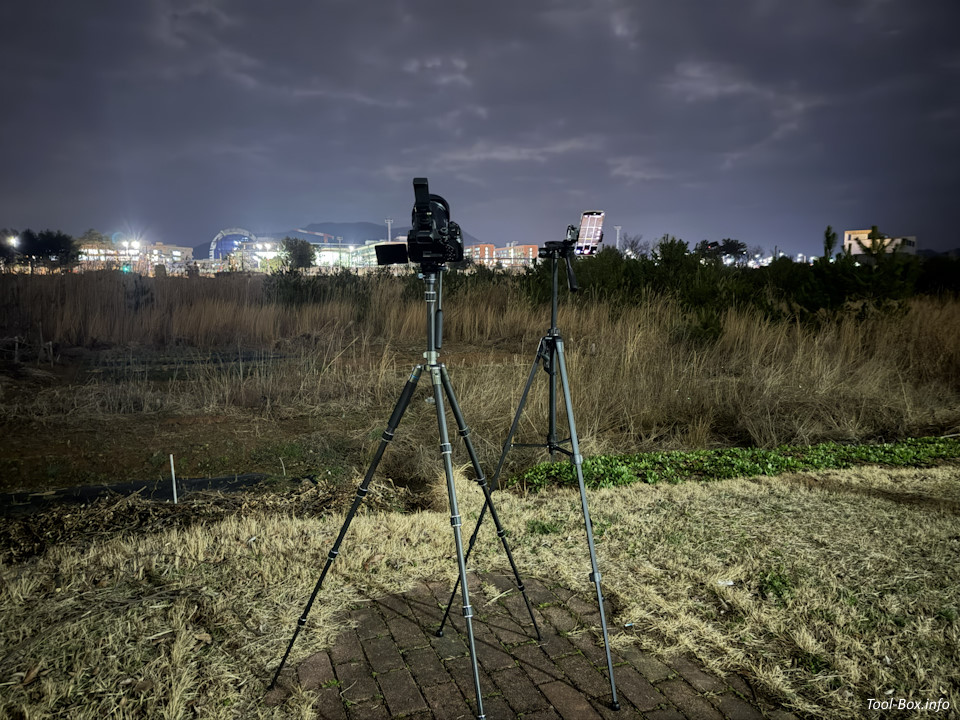
It’s been just a few months since the last occurrence, but another total lunar eclipse took place yesterday. This one was a bit special since it coincided with the first full moon of the lunar year, which is a day of celebration called Jeongwol Daeboreum in Korea. It’s the first time that this has happened in 36 years. Naturally, I made a full preparation. iPhone 16 Pro would take wide angle timelapse, while Nikon P1000 would take zoomed-in photos of the Moon.
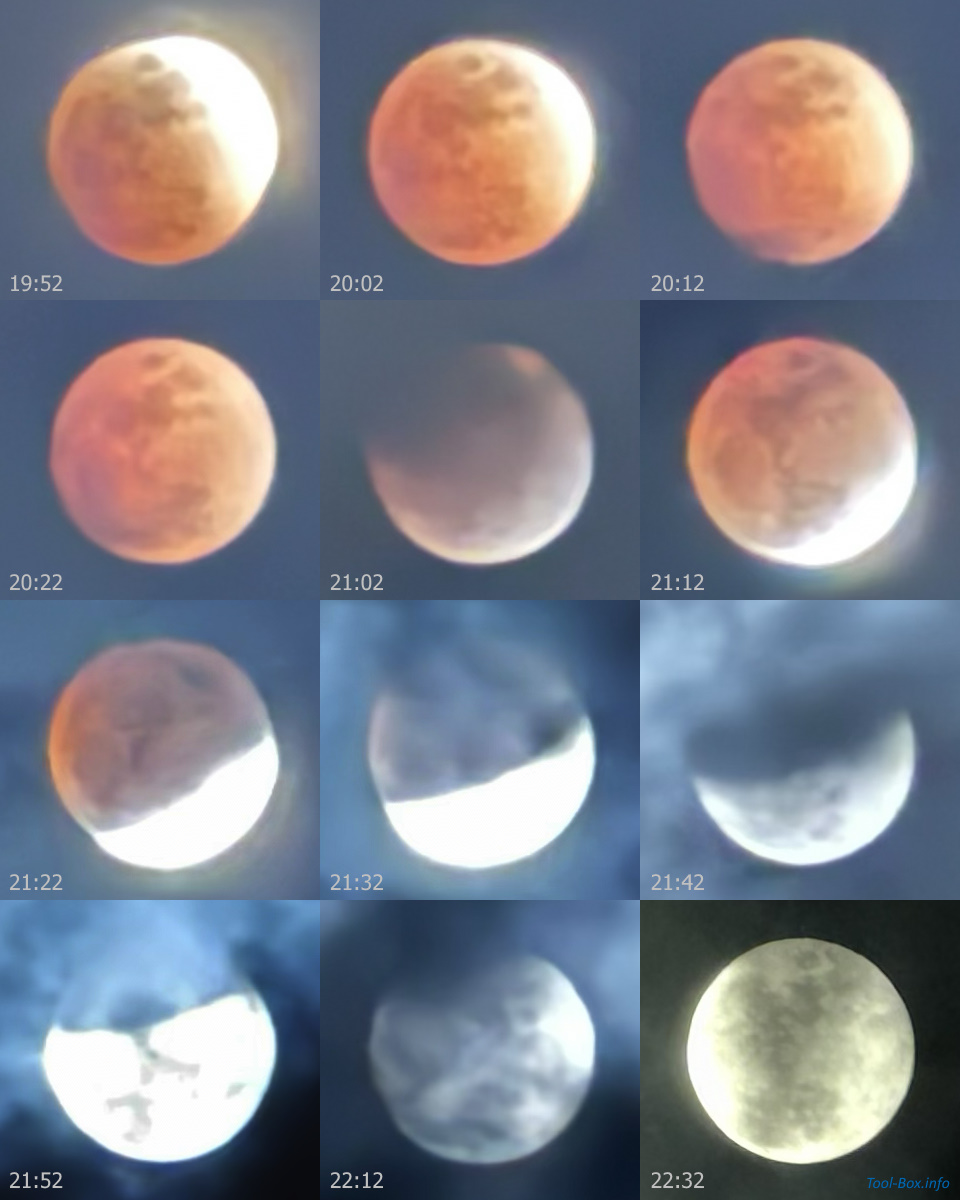
Progress of the total lunar eclipse on March 3, 2026
Cloudy until the end Unfortunately, the thick overcast clouds that had been lingering during the day refused to go away, and obscured my view of the moonrise. I nevertheless decided to stick around, and the gambit paid off somewhat. The Moon would occasionally pop out behind the clouds, allowing me to take at least some photos that would illustrate the progress of the lunar eclipse, including the totality. This was possible because the clouds had holes, allowing for windows of observation that lasted anywhere between tens of seconds to a few minutes.
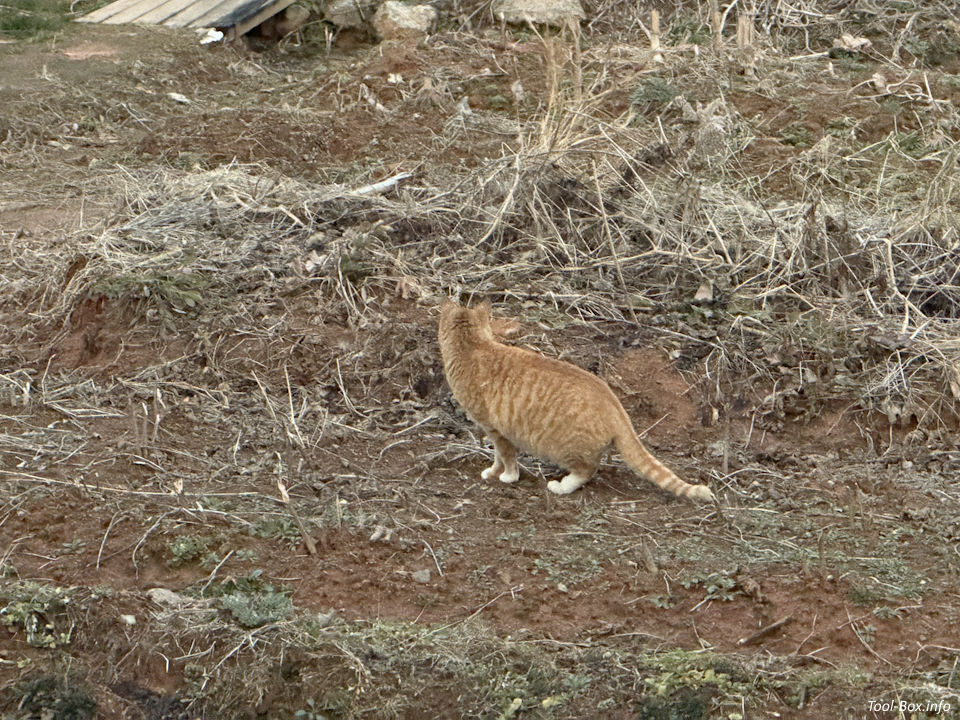
Local cat dropped byAfter taking a few shots of the Moon with P1000, I realized that the cloud covers would prevent sufficient exposure, making the photos too dark even with a 1-second shutter speed. So I pivoted to using my iPhone 17 Pro Max instead, using its 8x zoom camera with Night Mode. It wouldn’t look as sharp as P1000, but some photos are better than none. The collection of the best shots are shown here.
Device: iPhone 17 Pro Max
Settings: 200mm equiv. - ISO 800~1600 - 5s - f/2.8
Time: 2026-03-03 19:52 ~ 22:32 KST
Location: Naju, Korea
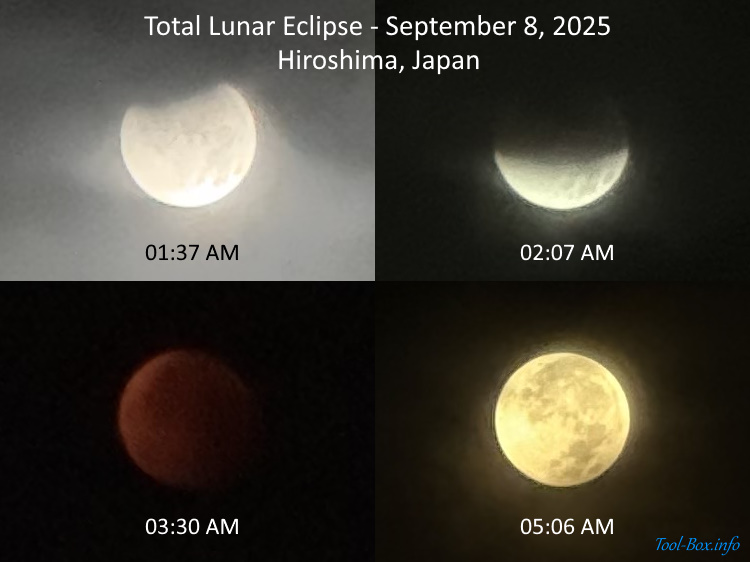
Total lunar eclipse observed at Hiroshima, Japan on September 8, 2025 It's been more than 2 years since a total lunar eclipse could be observed. 2025 would have two occurrences to make up for the hiatus, but the one in March took place largely in the Americas. So I was waiting for the September one. Sadly, the weather forecast was dire, with rain and clouds expected to obstruct the view. To avoid this I decided to travel to the east, and ended up booking a flight to Hiroshima, Japan.
While Hiroshima did have relatively clear skies in the early evening, it would succumb to clouds and mild thunderstorm later in the night. Still, I was able to capture the progress of the eclipse with my iPhone 16 Pro when the clouds temporarily subsided, as you can see here. A timelapse video of the entire eclipse was also captured with my iPhone 15 Pro, which has been uploaded to YouTube.
Device: iPhone 16 Pro
Settings: 120mm equiv. - ISO 640~4000 - 1/15~1/31s - f/2.8
(ISO 4000, 1/15s | ISO 1600, 1/15s | ISO 4000, 1/15s | ISO 640 1/31s)
Time: 2025-09-08 01:37 ~ 05:06 JST
Location: Hiroshima, Japan
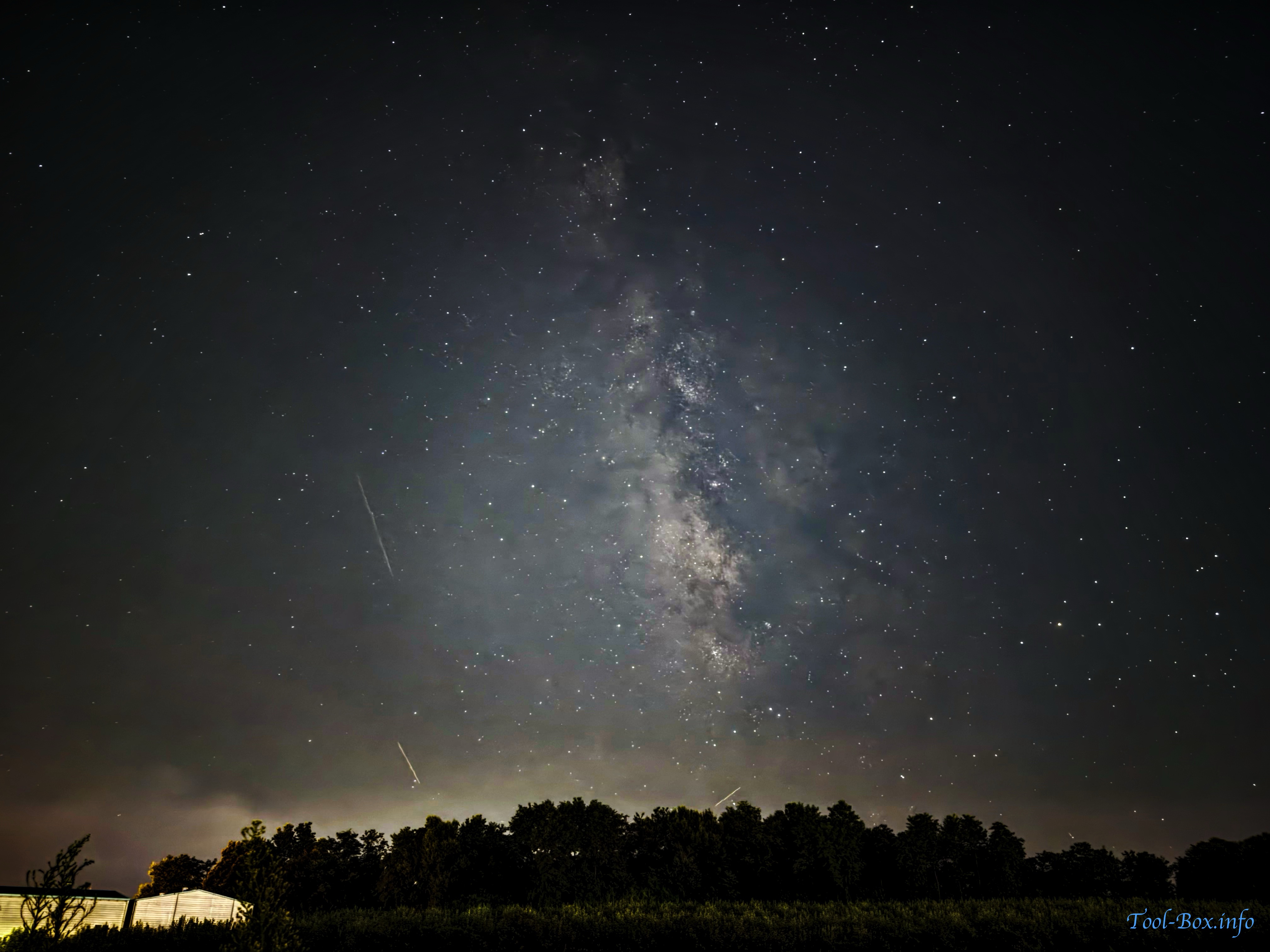
Milky Way in the southern sky photographed at Naju on August 15, 2025
If you look towards the south around 9 to 10 PM in summer, Milky Way can be seen flowing down to the horizon... if you're lucky enough to be in a place with a dark sky. As someone living in a city, I have to rely on a camera's long exposure to catch a glimpse of it, like what I've done 9 years ago. Still, I wondered if iPhone's Night Mode can replicate this magic even after a decade of urbanization that took place here. As it turns out, the answer is a resounding "yes". A bit of post processing needed to be done to bring out the details, but the same can be said for the earlier photo as well.
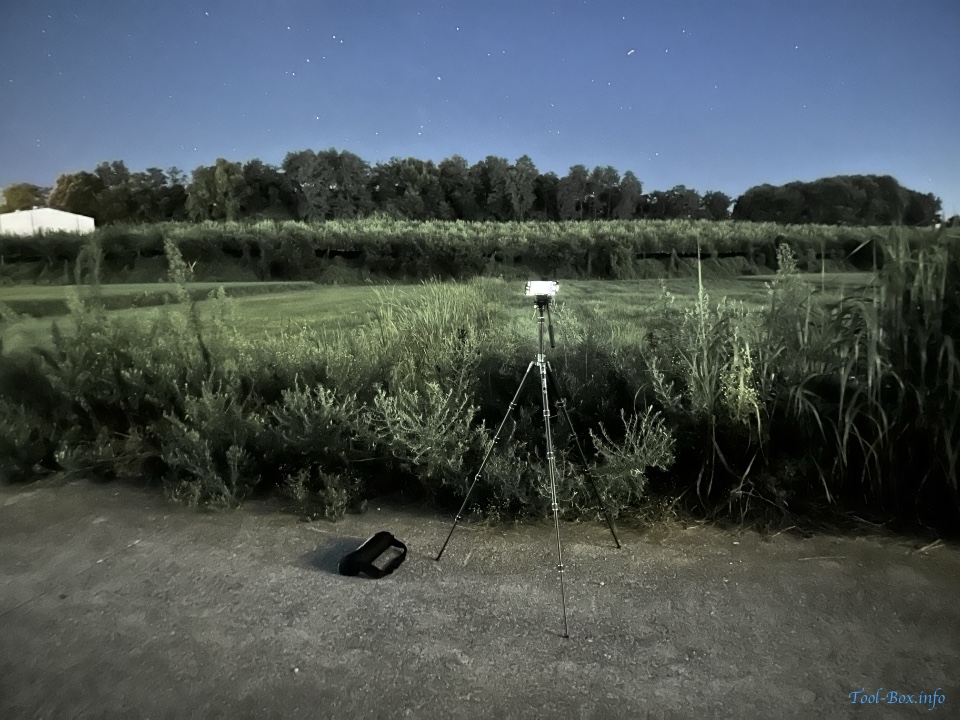
iPhone 16 Pro on a tripodAll I had to do for the capture is to wait for a clear night sky, move to the edge of the city with fewer lights, set the phone on a tripod, and do a 30-second Night Mode exposure. Fortunately, the Liberation Day weekend provided the right atmospheric conditions, and the southern part of the city is still just full of rice fields after all these years. I was worried a bit about iPhone's finicky focus under low light, but it didn't cause a trouble this time.
In the end, I was able to take more than twenty consecutive photos of the Milky Way. Due to the ambient glow in the sky, the original photos still came out looking a bit washed out. But adjusting some settings like contrast and black point in Pixelmator Pro fixed that issue. If you want to see all the photos I took this day, take a look at this video.
Device: iPhone 16 Pro
Settings: 24mm equiv. - ISO 1250 - 30s - f/1.78
Time: 2025-08-15 22:08 KST
Location: Naju, Korea
Processed with Pixelmator Pro 3.7
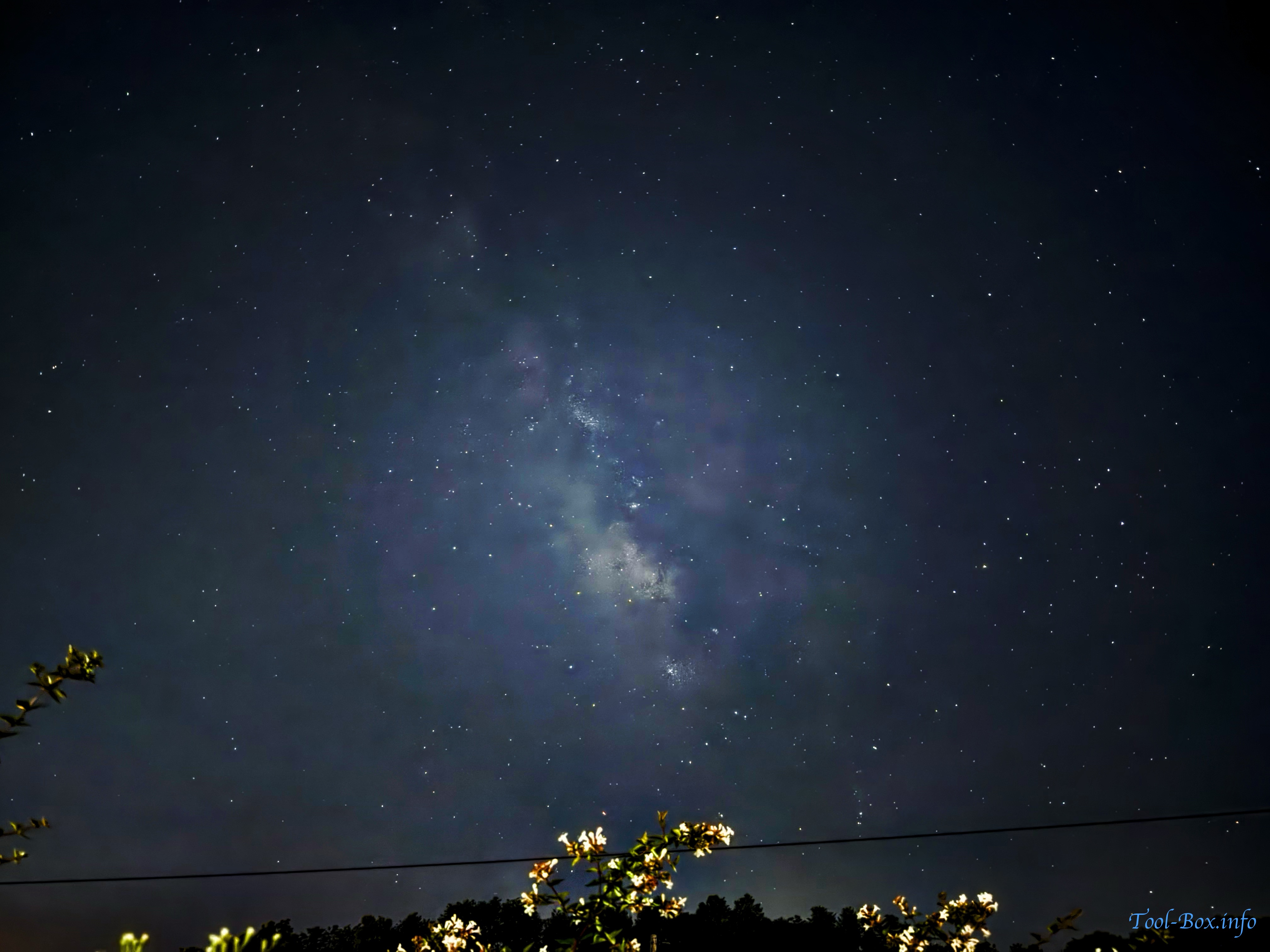
This photo of Milky Way was taken without a tripod
What if you don't have a tripod handy? Well, you can do the Night Mode photography with bare hands and still capture the Milky Way, as you can see here. As a matter of fact, my first attempts were done this way. When I realized that a reasonably good quality can be had despite the relatively short (10 seconds) exposure and high ISO, I brought out the tripod later on. It's amazing what smartphones can do these days.
Device: iPhone 16 Pro
Settings: 24mm equiv. - ISO 2000 - 10s - f/1.78
Time: 2025-08-15 20:56 KST
Location: Naju, Korea
Processed with Pixelmator Pro 3.7